
Autograph Collecting: A Beginner's Guide to Getting Started
What Is Autograph Collecting?
Also known as philography, autograph collecting is the practice of acquiring signatures (autographs) from famous, historical, or notable persons. These signatures can be gathered from celebrities, athletes, artists, and more on items like photos, posters, documents, or other forms of memorabilia. When autographs are authenticated, collections can be very lucrative.
Autograph collecting ranges from casual fans collecting a few signatures to dedicated collectors who invest significant time and money into building curated, authenticated collections. Many enthusiasts participate in conventions, auctions, and trading communities, and authentication services play a key role in verifying legitimacy.
Additionally, technology has made autograph collecting more accessible than ever. Online marketplaces and private signing services allow collectors to obtain signatures without attending events in person.
What sets autograph collecting apart is its blend of emotional value, historical significance, and financial potential. Each autograph is not just an object; it’s a story, a memory, and a preserved moment in time.
The Fascinating History of Autograph Collecting
Autograph collecting is often called one of the world’s oldest hobbies, dating back to the 4th century B.C., when the Library of Alexandria preserved writings and signatures from notable figures.
One of the earliest known autograph albums appeared in 1466, used to showcase social connections and status. By the 1500s, German students popularized the practice by collecting letters and signatures from influential political, religious, and literary figures.
The hobby became more mainstream in 1887 when Walter R. Benjamin opened the first autograph gallery in New York City, helping establish autograph collecting as a recognized and professional field. Despite its evolution, the appeal remains the same: owning a personal piece of history.
How to Start Your Autograph Collection
One of the most important aspects of starting your own collection is being passionate about what you're collecting. If you're investing your time and money, it's important that you invest wisely and with your own collection in mind; collect what you love, not what's trending. Whether you’re a fan of actors, athletes, musicians, or historical figures, your collection should reflect your personal passions.
For beginners, it’s often helpful to focus on a specific niche or theme. This makes your collection more organized and allows you to build knowledge and expertise over time. You might choose a favorite franchise like Star Wars, Marvel, or DC, follow a particular sports team, or collect signatures from astronauts, Nobel Prize winners, or entertainers from a certain era.
If you’re looking for an easy way to start, services like SWAU make it convenient by offering private signings, send-in options, and pre-approved items within a vast, authenticated inventory. SWAU also allows for personalization, such as character names, quotes, or specific ink colors, adding a unique touch to each piece.
Ultimately, the key is to start small, stay focused, and collect what you love.
Where to Find Autographs: Conventions, Online, and Private Signings
One of the most popular options is attending autograph conventions and comic cons like FAN EXPO, Planet Comicon, and Awesome Con. These events allow fans to meet celebrities in person, get items signed, and enjoy a memorable, face-to-face interaction. The biggest advantage is the personal experience and guaranteed authenticity.
Another route is buying autographs online through reputable dealers, marketplaces, or auction sites. This method is convenient and offers access to a wide range of signatures, including rare or hard-to-find items. The downside is the need to carefully verify authenticity by looking for trusted sellers, certificates of authenticity (COAs), and third-party authentication.
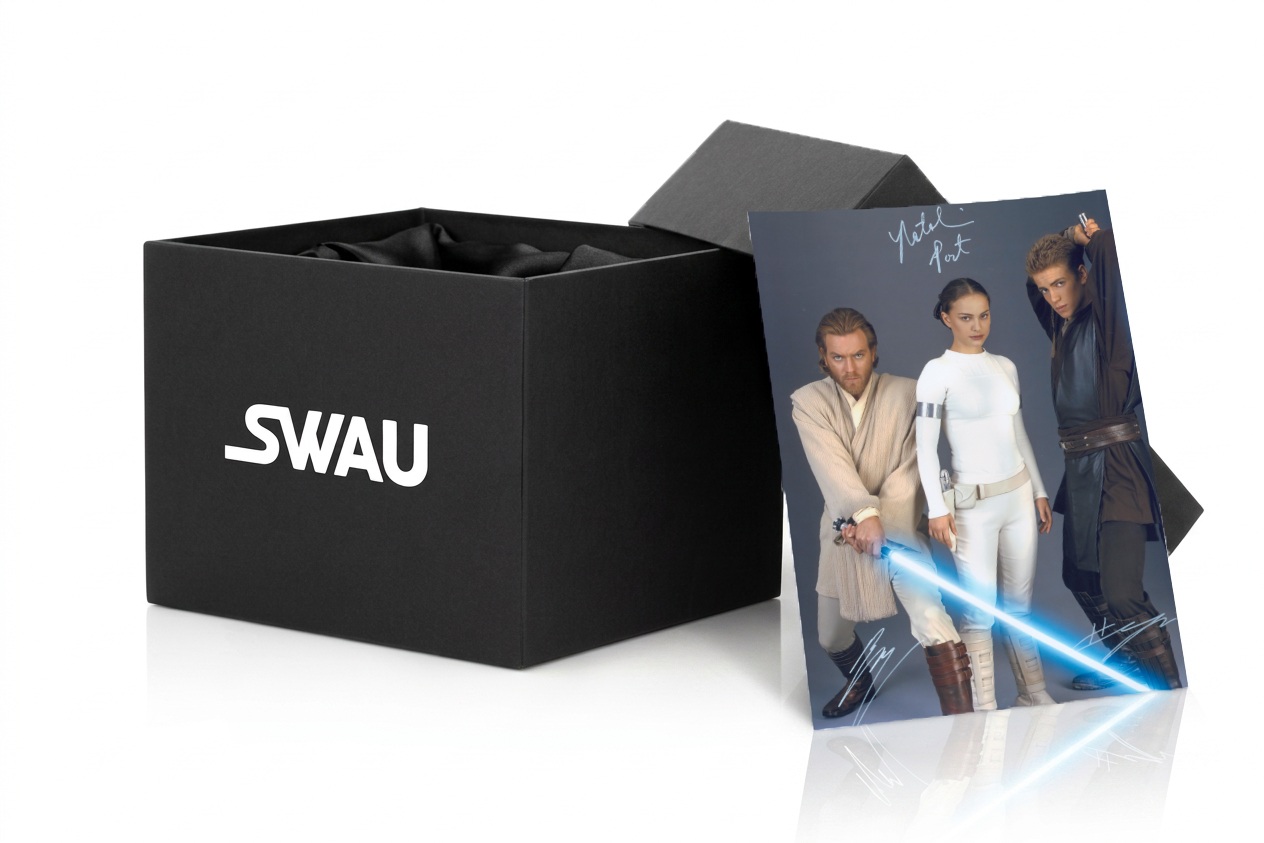
Additionally, private signing services offer a middle ground between in-person and online collecting. Companies organize exclusive signings with celebrities, allowing collectors to either send in their own items or purchase items directly through the service. Once signed, the items are shipped back to the collector, often with authentication included.
Each method has its pros and cons, but all can be valuable depending on your goals. Whether you’re chasing the excitement of meeting a celebrity or building your collection from home, there are more ways than ever to find authentic autographs.
Remember to always purchase from reputable sellers who provide solid authentication. The FBI estimates that 50%-70% of signed sports memorabilia possess fake signatures.
Authentication: How to Spot Fakes and Protect Your Collection
As previously mentioned, sports memorabilia hold the highest percentage of fake signatures. As a collector dives deeper into the world of autograph collecting, being able to spot a fake autograph will help maintain the integrity of your collection and, most importantly, the value. Some of the most common red flags to look for include:
- Identical signatures: If two signatures look the same, they’re likely preprints, not authentic autographs.
- Shaky handwriting: A slow, “drawn” look instead of a smooth, natural flow can signal a forgery.
- Ink pooling: Small ink blobs within letters may indicate the signer paused, often a red flag for fakes.
Some of the most recognized third-party authentication companies include:
- PSA/DNA
- JSA (James Spence Authentication)
- Beckett Authentication Services (BAS)
These companies compare signatures against extensive databases and examine ink patterns and structure to determine authenticity. Certificates of Authenticity (COAs) can be helpful, but they are only as trustworthy as the company issuing them. Always verify a COA through the authentication provider’s official online database using the certification number.
In short, authentication isn’t optional; it’s a critical step in protecting the value and integrity of your collection. Additionally, SWAUoffers its own authentication system using tamper-proof holograms with unique serial numbers that can be verified online. You can also submit items directly through our service here.
What Makes an Autograph Valuable?
Not all autographs are valuable. From historical context, whose autograph it is, condition, and other variables, some autographs may not possess any value. Below are the key reasons why some autographs are more valuable than others:
- Rarity & Scarcity: Autographs that are hard to obtain, such as those from deceased figures (e.g., Babe Ruth) or celebrities who rarely sign, tend to be significantly more valuable.
- Historical Context & Content: The story behind the item matters. Signed letters, documents, or personal items, especially those with unique or meaningful content, are typically worth more than standard signatures.
- Authenticity & Condition: Verified authenticity is critical. Clean, bold signatures in excellent condition command higher prices, while damage or fading reduces value.
- Idolization & Nostalgia: Demand is driven by emotional connection. Fans value items linked to their favorite celebrities as tangible pieces of history.
- “The Signed Effect”: Adding a signature can dramatically increase an item’s worth, for example, turning a standard collectible like a rookie card into a highly sought-after piece.
How to Store and Preserve Your Autograph Collection
Proper storage is essential to maintaining the value and longevity of your autographs. Without the right conditions, signatures can fade, paper can deteriorate, and items can lose their appeal.
Best Storage Practices
The ideal environment for autographs is cool, dry, and dark. Aim for a stable temperature of 15–20°C (59–68°F) and 40–50% relative humidity. Avoid storing items in attics, garages, basements, or even fireproof safes, as these areas often trap moisture and can damage paper over time.
Use acid-free, non-vinyl materials to protect your collection. Store items in protective sleeves or folders, then place them in archival-quality boxes. Minimize handling whenever possible, and when necessary, use clean cotton gloves to prevent oils from your hands from causing damage.
Preventing Fading
Light, especially UV light, is one of the biggest threats to autographs. To prevent fading:
- Keep items out of direct sunlight
- Store them in dark environments when not in use
- Avoid low-quality inks when obtaining signatures
If you’re collecting autographs in person, opt for archival pens like Pigma Micron or India ink, which are far more resistant to fading than standard felt-tip or dye-based pens.
Display vs. Storage
Displaying autographs can be rewarding, but it comes with risks. If you choose to display items:
- Use UV-protective glass (regular glass can worsen light damage)
- Keep displays away from direct sunlight and bright indoor lighting
- Rotate items every 2–3 months to limit exposure
For highly valuable pieces, consider displaying high-quality reproductions while keeping the originals safely stored. This allows you to enjoy your collection without compromising its condition.
By combining proper storage, careful handling, and smart display choices, you can preserve your autographs for years to come.
In-Person Collecting: Strategies and Etiquette for Meeting Celebrities
Meeting celebrities in person is one of the most exciting ways to collect autographs, but it requires preparation and awareness. Start by researching appearances at conventions, premieres, and public events, and always come prepared with the right item and a quality pen. Timing also matters; organized events offer the best chances, while rushed or private settings are less ideal.
Equally important is proper etiquette. Be polite, keep your request brief, and respect that celebrities are not obligated to sign. Follow event rules, limit the number of items you ask to be signed, and avoid approaching individuals during inappropriate moments. A respectful approach not only improves your chances but also helps maintain a positive experience for everyone involved.
Autograph Collecting as an Investment
Autograph collecting can be more than a hobby; it can also be a profitable investment when approached strategically. Not only can autographs can appreciate over time, but prices often rise when a celebrity gains fame or passes away, increasing demand and scarcity.
In investing, the rule is simple: you must be able to prove what you have is authentic. With the right knowledge and careful selection, autograph collecting can be both personally rewarding and financially worthwhile.
%20from%20famous,%20historical,%20or%20notable%20persons.%20These%20signatures%20can%20...)